
Integrating Eco-Friendly Labels into Your Supply Chain: A Comprehensive Guide
2026-05-25 11:00
Integrating Eco-Friendly Labels into Your Supply Chain: A Comprehensive Guide
Table of Contents
- Introduction to Eco-Friendly Labels
- The Benefits of Eco-Friendly Labels
- Types of Eco-Friendly Labels
- Understanding Eco-Label Regulations
- Strategies for Integrating Eco-Friendly Labels
- Challenges in Implementing Eco-Friendly Labels
- Case Studies: Successful Integration
- The Future of Eco-Friendly Labels
- FAQs
- Conclusion
Introduction to Eco-Friendly Labels
As the global market shifts towards sustainability, brands are increasingly recognizing the importance of integrating **eco-friendly labels** into their supply chains. These labels not only serve as a testament to a company's commitment to reducing environmental impact but also resonate strongly with consumers who prioritize sustainability in their purchasing decisions. By adopting eco-friendly labeling practices, businesses can enhance their brand image, meet regulatory standards, and build stronger connections with eco-conscious consumers.
The Benefits of Eco-Friendly Labels
Integrating eco-friendly labels offers numerous advantages for businesses, ranging from improved brand loyalty to reduced environmental footprints. Here are some key benefits:
1. Enhancing Brand Reputation
Using eco-friendly labels communicates a commitment to sustainability, enhancing a brand's reputation. Consumers are more likely to trust and support companies that actively work towards reducing their environmental impact.
2. Attracting Eco-Conscious Consumers
There is a growing segment of consumers who prioritize purchasing products with sustainable packaging. By integrating eco-friendly labels, businesses can capture this market and foster customer loyalty.
3. Compliance with Regulations
As environmental regulations become stricter, adopting eco-friendly labels can help businesses stay compliant. This proactive approach mitigates risks associated with regulatory penalties and enhances a company's position in the market.
4. Cost Savings
Eco-friendly labels often utilize innovative materials and processes that can lead to cost savings in production and waste management. Over time, these savings can significantly impact a company's bottom line.
5. Contributing to Environmental Sustainability
By embracing eco-friendly labeling, companies contribute positively to the environment. This commitment can lead to a more sustainable future for all and opens up avenues for corporate social responsibility (CSR) initiatives.
Types of Eco-Friendly Labels
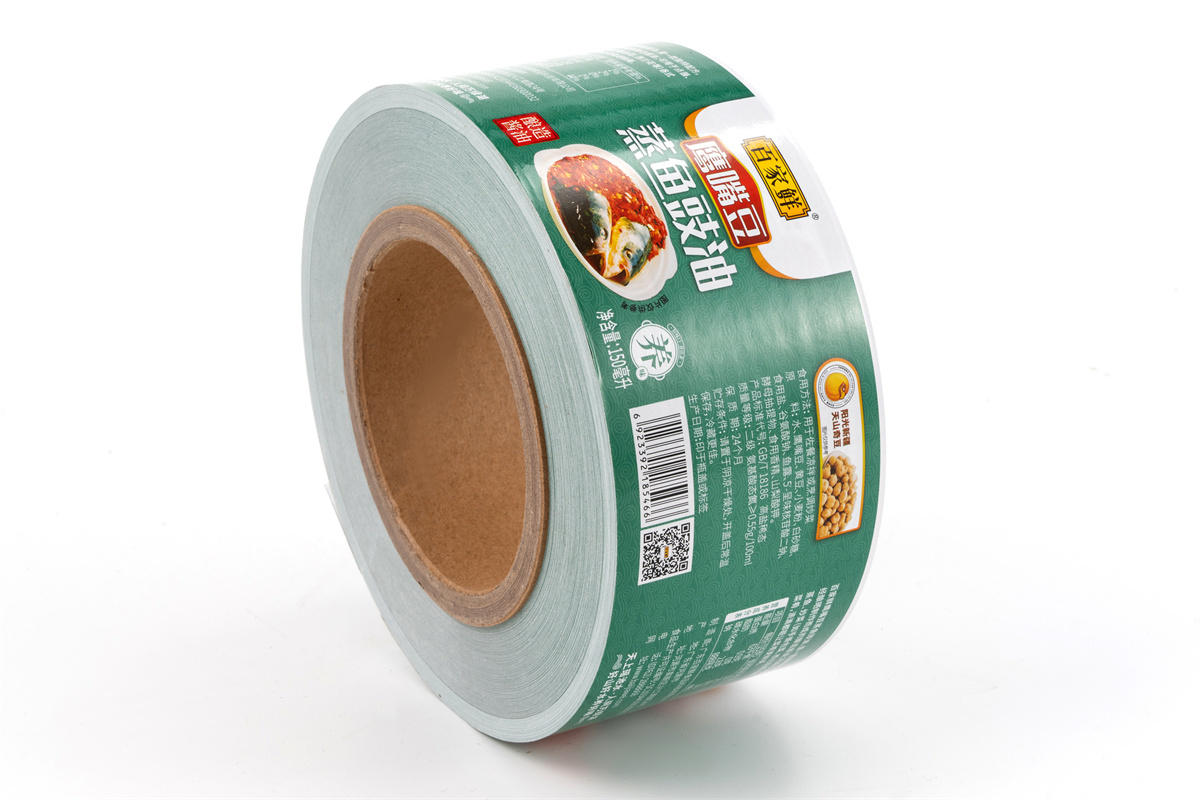
Understanding the various types of eco-friendly labels available is crucial for businesses looking to integrate them into their supply chains. Here are some popular options:
1. Biodegradable Labels
Biodegradable labels decompose naturally without harming the environment, making them an excellent choice for companies focused on sustainability.
2. Recycled Content Labels
Labels made from recycled materials reduce the demand for new resources, contributing to conservation efforts and waste reduction.
3. Plant-Based Labels
These labels are produced using materials derived from plants, such as corn or sugarcane, which are renewable and less harmful to the environment.
4. Certifications and Eco-Labels
Certifications like FSC (Forest Stewardship Council) or the Green Seal provide credibility to eco-friendly labels. These certifications affirm that the labels meet specific environmental standards.
Understanding Eco-Label Regulations
Navigating the complex landscape of eco-label regulations is essential for businesses aiming to integrate these labels into their supply chains. Different regions have varying standards and requirements, and understanding these can help ensure compliance and marketability.
1. National and International Standards
Many countries have set guidelines for eco-labeling to help consumers identify sustainable products. Familiarizing yourself with these standards is crucial for compliance.
2. Transparency and Accuracy
It’s essential to provide accurate information on eco-labels. Misleading claims can lead to customer distrust and potential legal consequences.
3. Third-Party Verification
Many businesses opt for third-party verification to enhance the credibility of their eco-labels. This independent validation can strengthen consumer trust.
Strategies for Integrating Eco-Friendly Labels
Successfully integrating eco-friendly labels into your supply chain requires a strategic approach. Below are some effective strategies to consider:
1. Assessing Current Practices
Evaluate your current labeling practices and identify areas where eco-friendly options can be implemented. This assessment serves as a foundation for further integration.
2. Sourcing Sustainable Materials
Partner with suppliers that offer sustainable materials for labels. Ensuring your supply chain is aligned with eco-friendly practices is vital for successful integration.
3. Employee Training and Awareness
Educate employees about the importance of eco-friendly labels and their role in sustainability initiatives. Engaged employees are more likely to contribute positively to the integration process.
4. Marketing and Consumer Education
Communicate the benefits of your eco-friendly labels to consumers. Highlighting the sustainable practices behind your products increases consumer engagement and builds loyalty.
5. Monitoring and Improvement
Continuously monitor the effectiveness of your eco-friendly labeling initiatives. Gather feedback from consumers and stakeholders to identify areas for improvement and innovation.
Challenges in Implementing Eco-Friendly Labels
While integrating eco-friendly labels comes with numerous benefits, businesses may face challenges during implementation. Understanding these challenges can help organizations prepare and adapt.
1. Cost Considerations
Transitioning to eco-friendly labels may involve higher upfront costs. However, businesses should consider the long-term savings and customer loyalty that can arise from sustainable practices.
2. Supply Chain Complexity
Integrating eco-friendly labels can complicate existing supply chains. Companies may need to work closely with suppliers to ensure consistency and quality in sustainable materials.
3. Consumer Perception
Some consumers may be skeptical of eco-friendly claims. Businesses must be transparent and provide clear information to foster trust and credibility.
Case Studies: Successful Integration
Examining successful case studies can provide valuable insights into how businesses have effectively integrated eco-friendly labels into their supply chains.
1. Brand A: Redefining Sustainability
Brand A successfully transitioned to biodegradable labels across their product line. By communicating this change to consumers, they increased sales and enhanced their brand image.
2. Brand B: Building Consumer Trust
Brand B implemented third-party verification for their eco-labels, significantly boosting consumer trust. They saw a marked increase in customer loyalty and brand reputation.
3. Brand C: Innovating with Materials
Brand C collaborated with suppliers to develop plant-based labels, reducing their environmental impact. This innovative approach not only attracted eco-conscious consumers but also set a new industry standard.
The Future of Eco-Friendly Labels
The future of eco-friendly labels is bright as consumers increasingly demand sustainable options. Here are some trends to watch:
1. Technological Advancements
Emerging technologies will likely lead to more innovative labeling solutions, enhancing both sustainability and functionality.
2. Increased Consumer Awareness
As consumer awareness around sustainability grows, businesses will be compelled to adopt eco-friendly practices to stay competitive.
3. Legislative Changes
Governments are expected to introduce stricter regulations around labeling and sustainability, pushing businesses to adapt.
FAQs
1. What are eco-friendly labels?
Eco-friendly labels are designed to reflect a product's commitment to sustainable practices, often made from biodegradable or recycled materials.
2. How do I choose the right eco-friendly label for my products?
Consider factors such as material sourcing, certifications, and the specific environmental impact of the labels to choose the right option.
3. Are eco-friendly labels more expensive than traditional labels?
While there may be higher upfront costs, eco-friendly labels can lead to long-term savings through increased customer loyalty and compliance with regulations.
4. Can I transition to eco-friendly labels gradually?
Yes, businesses can implement eco-friendly labels incrementally, starting with specific products or lines before transitioning fully.
5. How can I market my eco-friendly labels effectively?
Highlight the benefits and stories behind your eco-friendly labels in marketing materials, emphasizing their positive environmental impact to engage consumers.
Conclusion
Integrating eco-friendly labels into your supply chain is not only a strategic move but also a necessary step towards building a sustainable future. By understanding the benefits, types, and challenges associated with eco-friendly labels, businesses can effectively position themselves in a market that increasingly values sustainability. Through careful planning and execution, companies can not only enhance their brand reputation but also contribute positively to the environment and society. As we move forward, embracing eco-friendly practices will be crucial for long-term success and consumer trust.


